
FHA 203(k) Loan Guide: How to Buy a Fixer-Upper and Finance the Renovation
What Is an FHA 203(k) Loan?
An FHA 203(k) loan is a renovation mortgage that allows qualified buyers to purchase a home and finance eligible repairs into the same loan.
Instead of buying first and scrambling for separate renovation money after closing, the 203(k) program combines the purchase price and renovation costs into one FHA-insured mortgage. According to HUD, renovation funds are typically placed into an escrow account and released as work is completed.
Why Buyers Should Know About 203(k) Loans
Many buyers skip over homes that need repairs because they assume they need a large cash reserve upfront. That's not always the case.
A 203(k) loan can help buyers:
- Purchase a home that needs improvements
- Finance eligible repairs directly into the mortgage
- Build potential equity through renovation
- Compete with fewer buyers by considering properties others overlook
For buyers in markets like Streator, Ottawa, LaSalle, Peru, Marseilles, and the Illinois Valley, this matters. Older homes in these areas often have strong bones, large square footage, and historic character — but may need updates before they appeal to the average buyer. That's exactly where renovation financing becomes powerful.
Two Types of FHA 203(k) Loans
Limited 203(k)
Designed for smaller, non-structural projects. HUD allows buyers to finance up to $75,000 into the mortgage for eligible repairs and improvements.
Common uses include flooring, paint, fixtures, appliances, kitchen or bathroom updates, and energy-efficiency upgrades.
Standard 203(k)
Designed for larger or more complex projects. HUD requires a minimum rehabilitation cost of $5,000 and this option covers structural repairs, major remodeling, and projects requiring a 203(k) consultant.
The right option depends on the property condition, contractor bids, lender requirements, and the final renovation plan.
What Repairs Can a 203(k) Loan Cover?
Eligible repairs vary by lender and loan type, but HUD's 203(k) consumer materials list common examples including:
- Kitchen and bathroom remodeling
- HVAC repairs or replacement
- Plumbing and electrical systems
- Roofing, siding, and gutters
- Flooring and interior/exterior paint
- Energy-efficiency upgrades
- Basement or attic improvements (when eligible)
- Safety and livability repairs
This is why 203(k) financing works so well for older homes. It gives buyers a path to finance both the property and the improvements needed to make it functional, updated, and marketable.
Local Example: 314 S Monroe St, Streator, IL
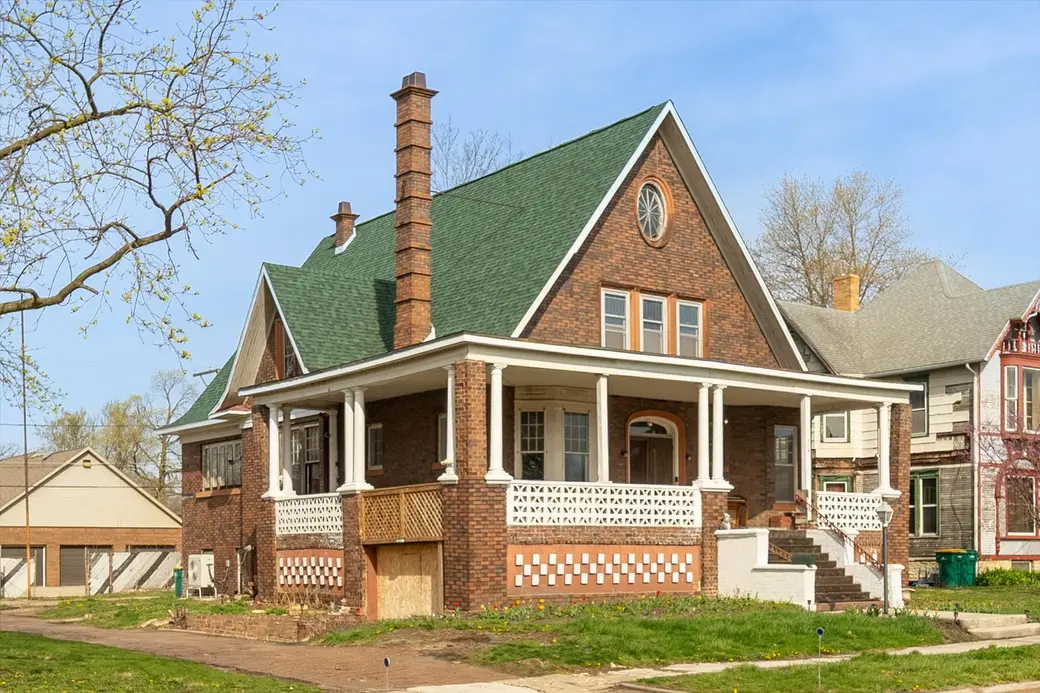
To see how a 203(k) loan could apply in the real world, look at 314 S Monroe St in Streator, IL.
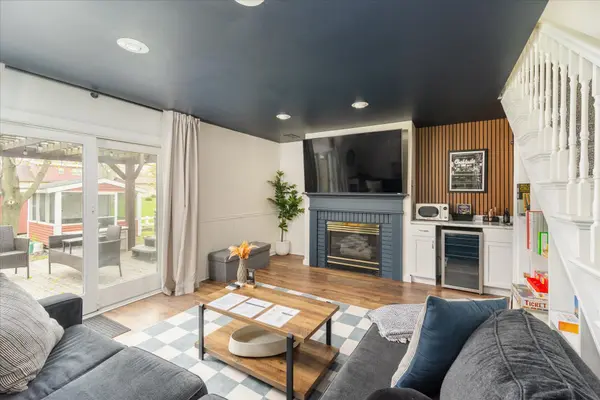
This 1905 historic brick home offers approximately 3,500 square feet, 6 bedrooms, 3 bathrooms, a full basement, wrap-around porch, hardwood floors, stained glass, original woodwork, built-ins, and a fireplace.
The asking price was reported at $174,900 — roughly $50 per square foot — compared to a reported Streator market average of approximately $105–$107 per square foot in early 2026. That gap is where the opportunity lives.
What's Already Been Done
Major system work has already been completed, including the roof, soffit, fascia, drywall, kitchen, furnace, A/C, ductwork, smart thermostat, new electric meter, attic insulation, and partial plumbing and electrical work. The property also carries a limited lifetime roof warranty and a 10-year HVAC equipment warranty.
That matters because major systems are often the most expensive and intimidating part of renovating an older home. A buyer using a 203(k) loan here could focus the renovation budget on higher-value, finishing work.
Example Numbers (Educational purposes only — verify all figures with your lender, contractor, and appraiser)
| Item | Example Range |
|---|---|
| Purchase price | $164,900–$174,900 |
| Estimated renovation budget | $60,000–$75,000 |
| Estimated total project basis | $224,900–$249,900 |
| Estimated after-repair value | $325,000–$350,000 |
| Potential equity spread (before financing costs) | $75,000–$125,000+ |
The investor report estimated remaining work — bathrooms, flooring, paint, fixtures, and landscaping — at approximately $60,000–$90,000 depending on scope. Because the Limited 203(k) allows up to $75,000 in eligible non-structural repairs, a portion of this project may fit within that program. If the scope or complexity exceeds that threshold, the Standard 203(k) may be the better fit.
Who Is a 203(k) Loan Best For?
It may be a strong fit if you:
- Want to buy a home that needs work without paying top dollar for a fully renovated property
- Are comfortable coordinating a renovation process
- Want to customize finishes and build long-term equity
- Have a qualified lender and contractor team in place
It may not be the right fit if you:
- Need a perfectly move-in-ready home immediately
- Are uncomfortable with contractor timelines or lender requirements
Why Work With an Agent Who Understands Renovation Strategy?
Buying a 203(k) property is different from buying a standard move-in-ready home. You need to understand whether the numbers make sense, how the property compares to renovated homes in the area, what the after-repair value could look like, and which repairs may impact FHA financing.
At Mallet Industries, the goal is to help buyers, sellers, and investors look beyond the surface and analyze the opportunity behind the property — reviewing the numbers, identifying value-add potential, and connecting clients with the right lender and contractor resources.
Final Thoughts
The FHA 203(k) loan is one of the most useful financing tools for buyers willing to think strategically. Instead of passing on a property because it needs updates, buyers may be able to finance eligible improvements and create a finished home that better fits their needs and budget.
314 S Monroe St is a strong local example: historic character, large square footage, completed major systems, and a price-per-square-foot entry point well below the reported local market average. For the right buyer, this is more than a house — it's a path to ownership, customization, and potential equity.
Ready to Explore a 203(k) Opportunity?
Whether you're looking at 314 S Monroe St or another renovation property in the Illinois Valley, Aaron Mallet with Mallet Industries | eXp Realty can help you review the numbers, understand the strategy, and connect with the right resources.
📍 Serving Streator, Ottawa, LaSalle, Peru, Marseilles, and the surrounding Illinois Valley.
Contact Aaron today to get started.
Recent Posts




"My job is to find and attract mastery-based agents to the office, protect the culture, and make sure everyone is happy! "